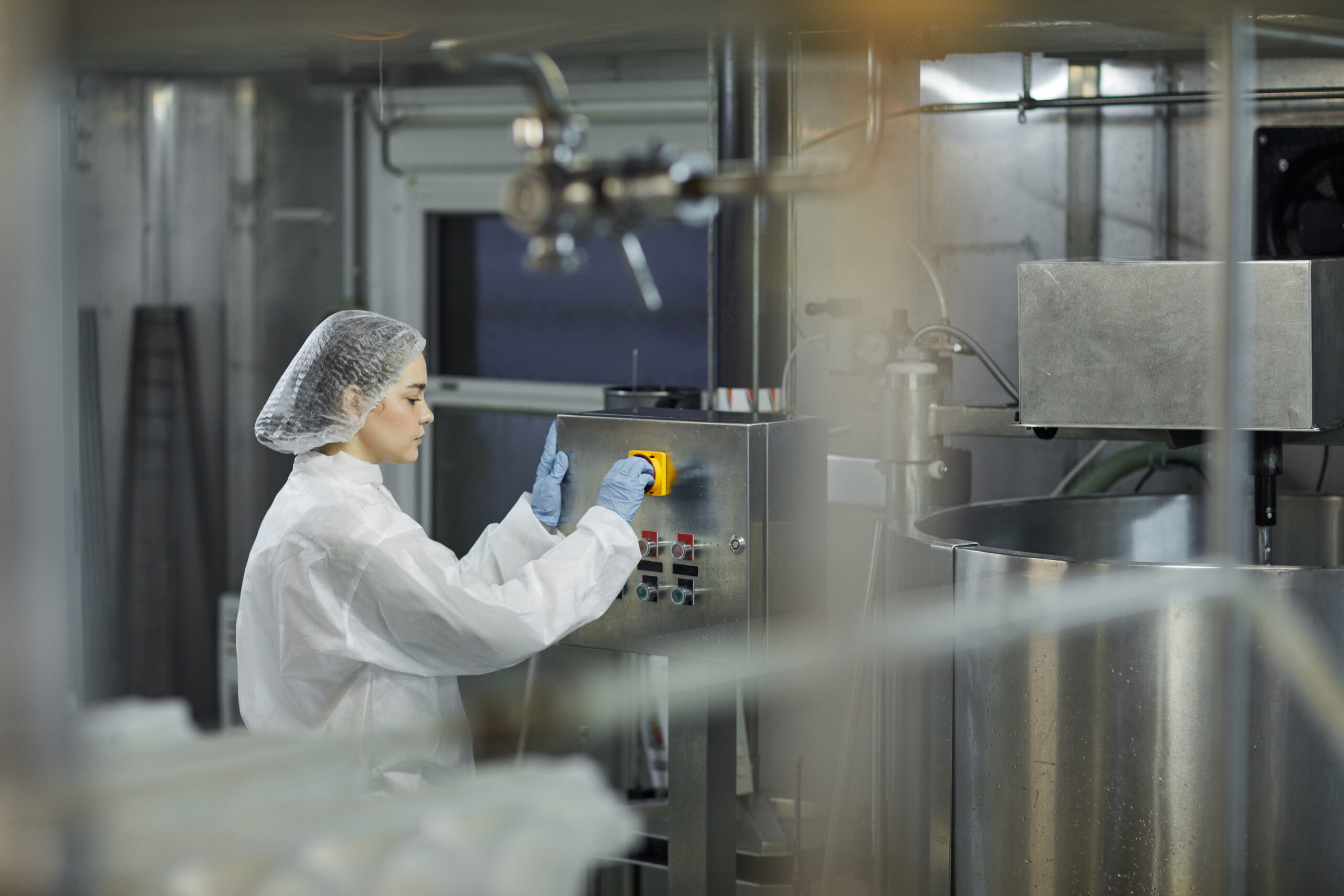
The integration of automation technologies in modern manufacturing has revolutionised workplace safety and operational efficiency. As industries continue to evolve, aligning these two crucial aspects has become essential in creating sustainable, high-performing manufacturing environments.
Safety Enhancements Through Automation
Eliminating High-Risk Manual Tasks
Automated systems have significantly reduced workplace hazards by removing workers from dangerous environments. Robotics and advanced automation now handle tasks that traditionally posed serious risks to human workers, such as heavy material handling, operating in extreme temperature environments, and managing hazardous chemicals. Automation also ensures safer operations in confined spaces or areas with poor air quality, eliminating potential health risks for employees.
Advanced Monitoring and Prevention Systems
Modern automated manufacturing lines incorporate comprehensive safety monitoring systems designed to prevent accidents before they occur. Real-time hazard detection allows for immediate response protocols, while continuous environmental monitoring identifies the presence of toxic gases or harmful particles. Automated systems are also equipped with emergency shutdown procedures that activate if safety parameters are breached, ensuring a safer work environment. Additionally, predictive maintenance alerts help prevent equipment failures, reducing the likelihood of unexpected breakdowns and hazardous situations.
Improved Ergonomics and Worker Well-being
Automation has also transformed workplace ergonomics by minimising physical strain on workers. By eliminating repetitive motion tasks and reducing the need for manual lifting, automated systems help prevent musculoskeletal disorders and workplace injuries. Safer human-machine interaction points ensure that necessary manual tasks are performed with maximum support and minimal risk. As a result, employees benefit from a safer, more comfortable work environment, reducing long-term health issues associated with physically demanding tasks.
Efficiency Improvements in Automated Manufacturing
Enhanced Production Speed and Consistency
Automation has significantly improved manufacturing efficiency by enabling continuous production without the limitations of human fatigue. Automated systems maintain high-speed processing with exceptional precision, ensuring consistent quality output regardless of production duration. With reduced variability in product specifications, manufacturers can achieve higher levels of standardisation and reliability.
Quality Control and Error Reduction
Automated quality control technologies play a crucial role in maintaining high production standards. Advanced machine vision systems detect defects with unparalleled accuracy, reducing waste and rework. AI-powered quality control processes ensure real-time adjustments to maintain optimal production parameters, minimising deviations in product quality. Additionally, automated documentation and traceability systems help maintain compliance with industry regulations, improving overall operational integrity.
Data-Driven Process Optimisation
The integration of smart automation systems enables manufacturers to make data-driven decisions that enhance operational efficiency. Real-time production data collection allows for immediate identification of bottlenecks and inefficiencies, facilitating quick corrective actions. Automated resource allocation optimises the use of materials and labour, reducing waste and maximising throughput. Predictive maintenance ensures that machines remain in peak condition, preventing costly downtime and ensuring consistent output.
Implementation Strategies for Success
Strategic Planning and Integration
A well-executed automation strategy begins with comprehensive risk assessment and workflow integration. Manufacturers must carefully plan the implementation of predictive maintenance systems, utilise simulation software for process optimisation, and adopt lean manufacturing principles to maximise automation’s benefits. Seamless integration across production stages ensures efficiency gains without disrupting existing workflows.
Employee Training and Adaptation
As automation transforms manufacturing roles, effective training programs become essential. Operators must be equipped with new skills for managing automated systems, including programming and troubleshooting. Clear communication of safety protocols ensures seamless adaptation, while ongoing refresher training keeps employees up to date with technological advancements and best practices.
Continuous Improvement Framework
To maintain optimal safety and efficiency, manufacturers must establish a continuous improvement framework. Regular assessments of automation performance help identify areas for enhancement, while periodic updates to safety protocols keep pace with evolving technologies. Monitoring efficiency metrics ensures that automation continues to deliver value, and the adoption of emerging innovations strengthens long-term operational performance.
Future Perspectives
As automation technology advances, the potential for further improvements in safety and efficiency continues to grow. The integration of artificial intelligence, machine learning, and IoT-enabled monitoring systems will refine automation processes even further, providing predictive insights that drive smarter decision-making. By embracing automation and prioritising continuous improvement, manufacturers can create safer, more efficient production environments that position them for long-term success.
Conclusion
The adoption of automation in manufacturing represents a transformative shift toward safer and more efficient operations. By strategically implementing automated systems and fostering a culture of continuous improvement, manufacturers can reduce workplace risks, enhance productivity, and maintain consistently high-quality outputs. As technology progresses, automation will remain a key driver of operational excellence, making it an indispensable investment for manufacturers looking to stay competitive in an evolving industry.